Start with questions people actually ask
An editorial plan is more useful when it begins with a problem someone is trying to solve, rather than a list of keywords in isolation. Look for questions in customer emails, support conversations, contact forms, on-site search terms, and discussions your team has with prospective customers. If you use search performance reports, they may reveal questions people associate with pages you already have. Record each question in the audience’s own words before translating it into a proposed article topic.
Add a little context to each entry: who is asking, what they may already know, and what decision they are trying to make. For example, “How do I choose the right size?” could come from a first-time buyer needing a simple guide or an experienced buyer comparing specifications. Those needs may call for different answers. Treat a question found once as a useful clue, not proof of broad demand. Repeated questions can help you spot common gaps, but even a less frequent question may matter if a clear answer would help someone complete an important task.
Group questions by the answer they need
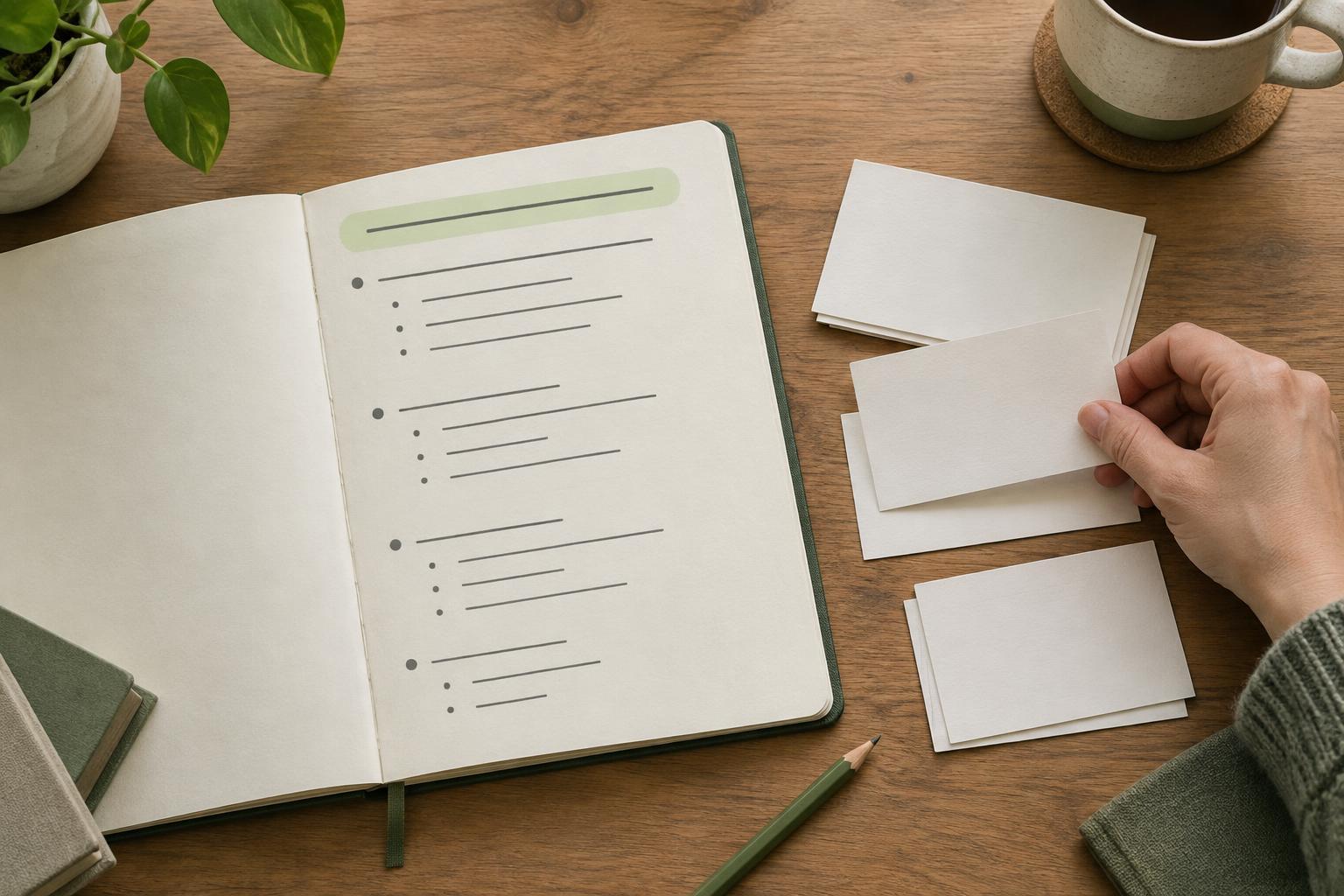
Before assigning one page to every question, sort your collection into themes. Put questions together when a reader could reasonably expect to find their answers on the same page. Separate them when the answers require different levels of detail or serve different goals. “What is this service?” and “How much does this service cost?” may belong near each other in your site structure, but each may deserve a distinct page if a combined page would make either answer hard to find.
Next, note the likely purpose behind each group. Some visitors want an explanation, others want instructions, and others need help comparing options. This is a planning aid, not a rigid label: a helpful page may serve more than one purpose. Check your existing content before proposing something new. If a current page nearly answers the question, improving its clarity and coverage may be better than publishing another page that competes for the same reader’s attention.
Prioritize usefulness and feasibility
A long question list is not yet an editorial plan. For each theme, consider how closely it relates to your site’s purpose, how important the answer is to your audience, and whether your team can explain it accurately. Also consider the work involved. A short definition might need only a revision to an existing page, while a comparison guide may require input from several people who understand the products or services.
Choose a manageable mix of topics. Foundational pages can answer broad questions and point readers toward more specific guidance. Focused articles can address follow-up questions without forcing every detail onto one page. Keep a separate backlog for good ideas that are not ready yet, along with a brief reason for delaying them. This makes your choices visible and prevents the calendar from filling up simply because certain topics are easy to write.
Turn each topic into a clear assignment
A useful content brief should state the primary audience question, the page’s purpose, and the answer a reader should be able to find quickly. List the related questions that belong on the page, as well as those that should link to a different page. Include any terms readers commonly use, but write naturally rather than repeating a phrase to target it. Note what the writer must verify with someone who knows the subject and what examples would make the explanation easier to apply.
Plan the page’s place on the site at the same time. Decide which existing pages should link to it and which useful next steps it should offer. Give the page a descriptive title and headings that help readers scan for their question. Then put the assignment on a calendar based on available time for writing, review, and maintenance—not just publication. An ambitious schedule is less valuable than a steady process that leaves room to check accuracy.
Review the plan after publishing
Publication is the start of a page’s working life, not the end of the task. Review whether readers can reach it through your site navigation and relevant links. Check that the opening answers the main question, that any instructions remain accurate, and that the page offers a sensible next step. Feedback from customers and colleagues may show where the answer is confusing or incomplete.
When measurement is available, use it to ask better questions about the plan. Search queries may reveal a related need you missed; on-site search and support requests may show that people still cannot find an answer. A page receiving little traffic is not automatically a failure, especially if it serves a narrow but important need. Revise, combine, expand, or retire content according to its usefulness and accuracy. Over time, those decisions turn a collection of articles into a more coherent resource for the people your site is meant to help.