Start with the reader’s question
Before gathering material, write down the specific question your page will answer and who is likely to ask it. “How do I find broken links on a small website?” calls for different evidence than “Which site issues should a new owner fix first?” The first may need a repeatable walkthrough; the second needs a way to compare problems and explain priorities. A clear question keeps your research from becoming a pile of loosely related facts.
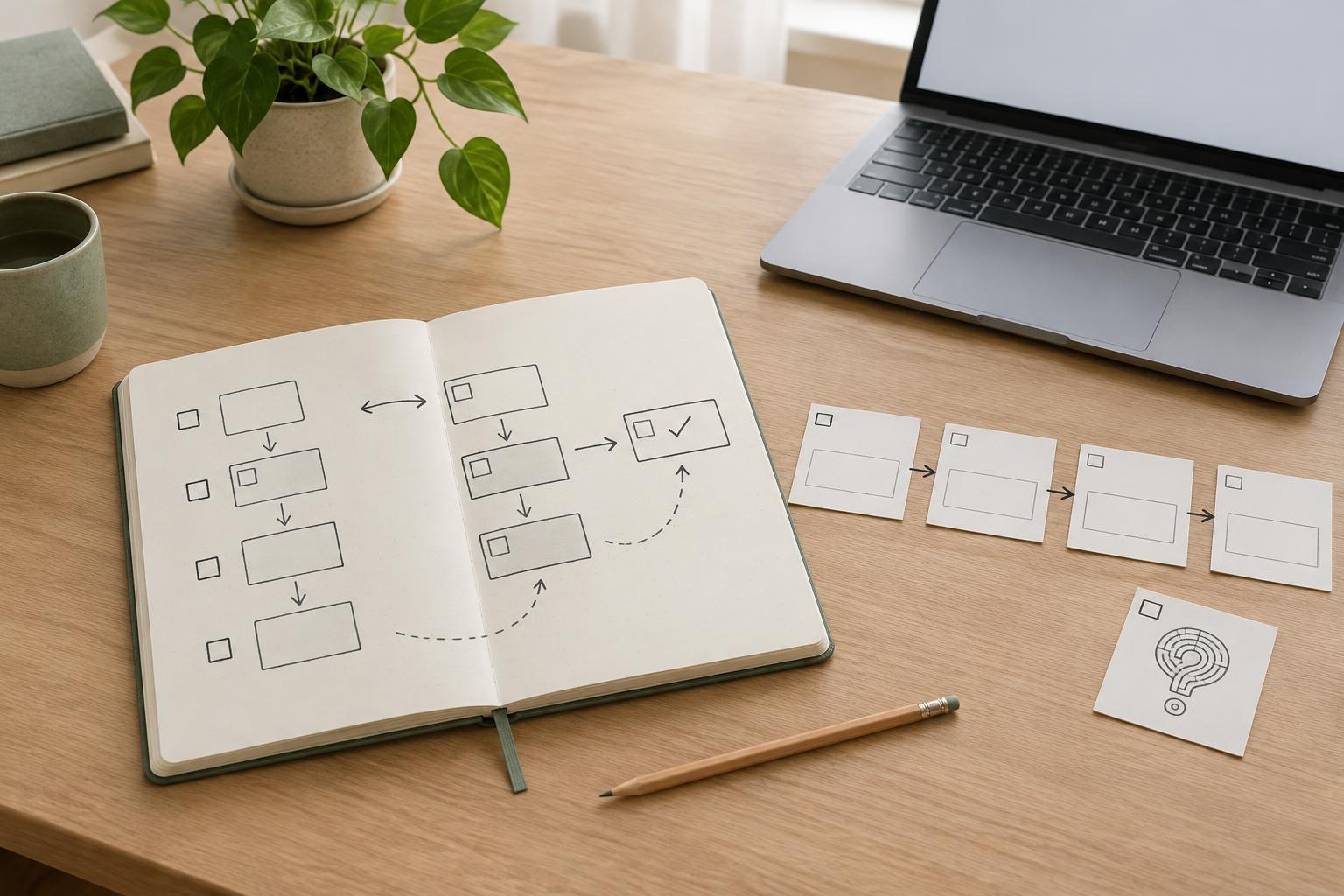
List the points a reader would need to understand or act: definitions, steps, examples, exceptions, and likely follow-up questions. Mark the points you can demonstrate yourself and those that require an outside source. This simple outline also helps you spot gaps early. If a proposed section does not help answer the main question, consider leaving it out rather than researching it out of habit.
Collect firsthand examples you can explain
Firsthand material might come from performing a task, reviewing a page you are authorized to access, testing a workflow, or asking a knowledgeable colleague to describe their process. For an article about content planning, you could take an existing page, identify an unanswered reader question, and show how that question changes the outline. Record what you did, what you observed, and any conditions that limit the example.
Choose examples that make a point visible, not just examples that make the article sound experienced. A before-and-after heading can show a clearer information hierarchy, but it cannot prove that search traffic will improve. If you use a screenshot, make sure you have permission to share it, remove private information, and explain what the image shows in the surrounding text. An invented scenario can also teach a concept; label it as illustrative rather than presenting it as an actual case.
Choose outside sources for specific claims
Outside sources are most useful when they support a claim your own example cannot establish. Search for the original documentation behind a technical requirement, the primary description of a tool’s feature, or a clearly explained method behind a published finding. Avoid treating several pages that repeat the same unsupported statement as independent confirmation.
Evaluate each candidate source before adding it to your notes. Who is responsible for the information? Does the page explain how its conclusion was reached? Is the claim broad, or does it apply only under certain conditions? For topics that may change, check whether the source still describes the feature or process you plan to discuss. If you cannot verify an important detail, narrow the claim, describe the uncertainty, or omit it. A source should support the sentence you write, not merely appear relevant to the general topic.
Keep an evidence sheet as you research
A small evidence sheet makes drafting and review easier. For each planned point, note the reader question it serves, your firsthand example or observation, any outside source, and the exact claim that material can support. Add a short note about limitations. For instance, a test on one page can demonstrate how you checked its links, but it does not establish how common broken links are across all websites.
Keep source titles, locations, and access notes together so you can find the material again when editing. Separate direct observations from interpretations: “the navigation label did not mention pricing” is an observation; “visitors could not find pricing” would need more evidence. This distinction helps you write accurately and makes it easier for an editor to challenge a conclusion without losing the useful example behind it.
Draft from the evidence, then check the gaps
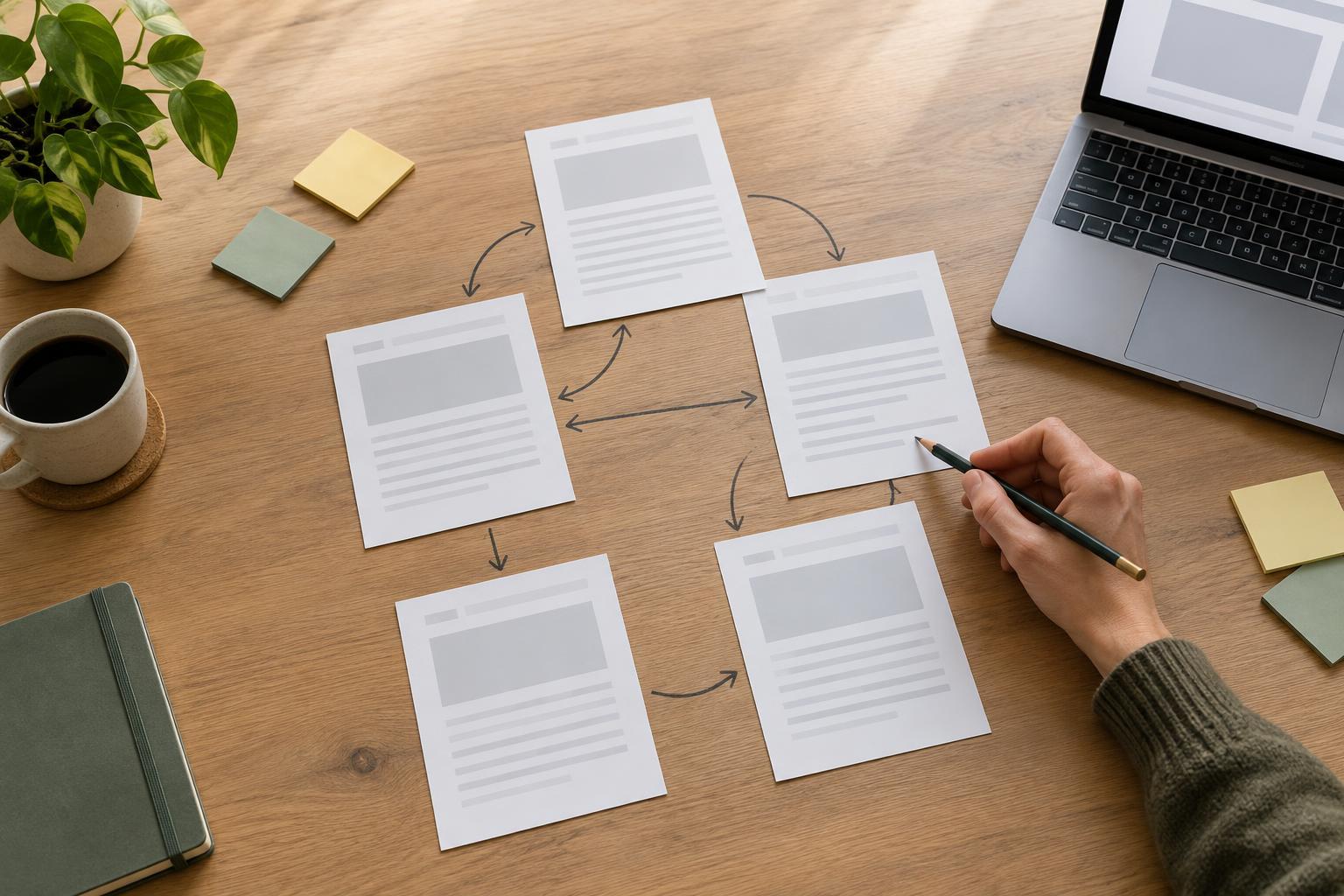
Once your notes cover the main question, arrange the article around the reader’s task rather than the order in which you found material. Put the essential answer early, use examples where a step might otherwise feel abstract, and place supporting sources beside the claims they substantiate. Do not force every observation into the draft. A focused explanation is usually more helpful than a long inventory of everything you collected.
During revision, inspect each firm-sounding sentence. Can a reader tell whether it reflects your demonstration, an outside source, or a qualified recommendation? Check that examples match the steps as written and that any image adds information rather than decoration. Finally, ask someone unfamiliar with your notes where they still need clarification. Their questions can reveal the most valuable next example to gather before publication.