Start with the reader’s task, not the keyword
Two articles can use different keywords and still compete for the same reader. A guide called “How to Plan Website Content” and another called “Creating a Website Content Plan” may both promise the same beginner-friendly process. If a reader would be equally satisfied by either page, the distinction between them may not be useful. The problem is not that a website has repeated words; it is that the site offers multiple destinations for one task without explaining why each exists.
Before drafting, write a one-sentence purpose for the proposed article: “This page helps [reader] do [task] at [level of detail].” Then compare that purpose with existing pages. A keyword list can reveal related language, but it cannot decide whether two pages deserve to exist. Consider the question behind each phrase, the answer a visitor expects, and what they should be able to do after reading.
Make a simple map of existing content
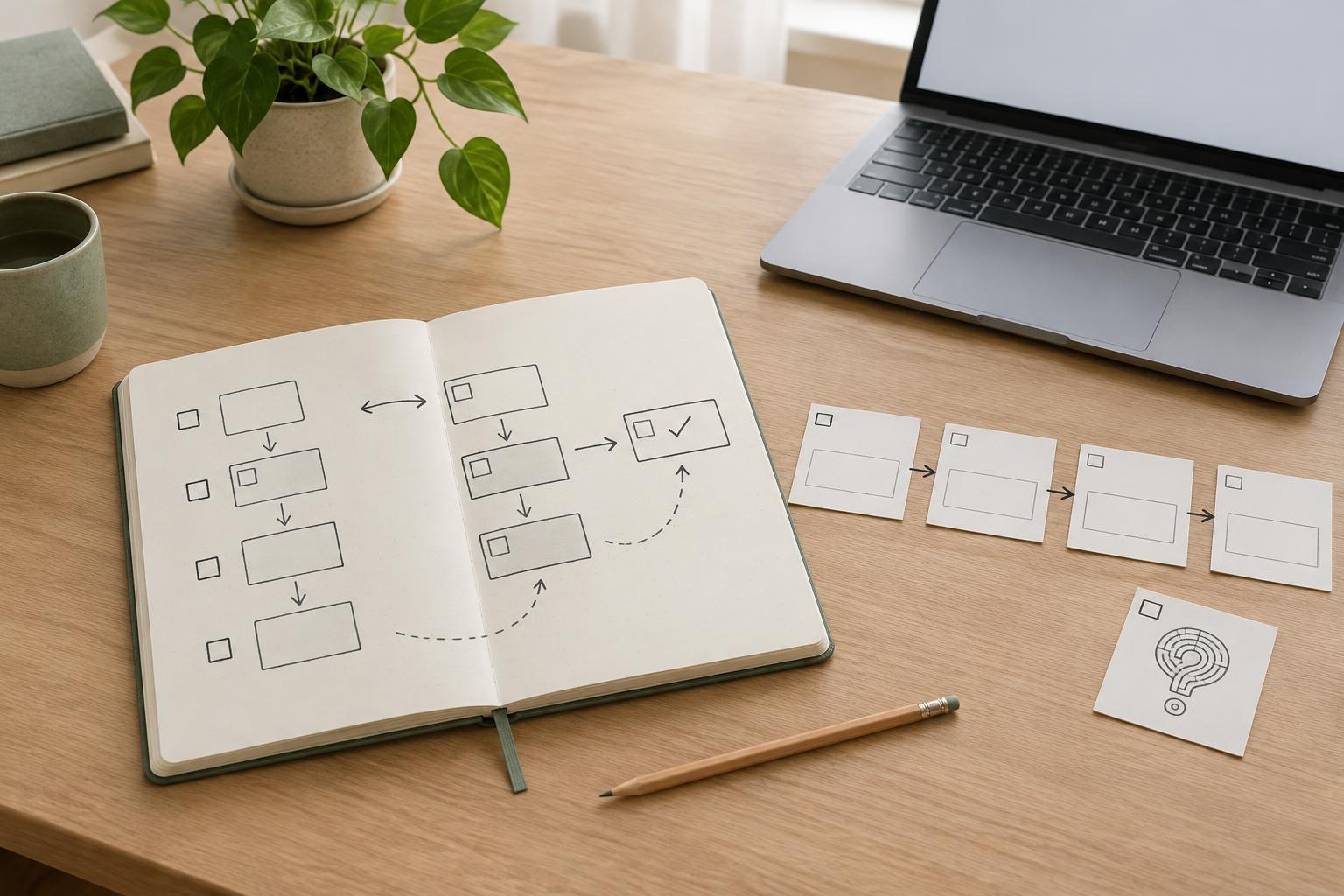
Create a working inventory with each article’s title, URL, primary reader question, intended audience, and main takeaway. Add a column for its role: introductory guide, focused how-to, comparison, troubleshooting page, or reference. This does not need to be an elaborate spreadsheet. Its value is in making similar promises visible before another draft joins them.
Review pages that share a topic and ask whether their opening sections, headings, and practical advice largely repeat one another. Do not rely on titles alone: two distinct titles may lead to near-identical answers, while similarly titled pages may serve different audiences. If available, look at the search queries and internal links associated with each page for additional context. Treat those signals as clues about how pages are being found, not as proof that overlap is harming performance.
Give related articles clear, separate jobs
Related pages can work well together when each answers a different question. For example, an overview of content planning might explain the overall process, while a separate article shows how to build an editorial calendar. The overview can briefly introduce calendars and link to the detailed guide. A reader can then tell which page to open first and where to go for a deeper answer.
A useful distinction should appear in the content itself, not just in a slightly different target phrase. Separate pages may be justified by a different audience, stage of work, format, or problem to solve. If you cannot describe the difference without referring to keywords, consider whether one stronger article would serve readers better. Avoid padding a narrow idea into a standalone page solely to cover another wording of the same query.
Choose what to keep, revise, or combine
When pages overlap, first identify which one best fulfills the shared purpose. It may have clearer explanations, more useful examples, or a structure that is easier to extend. Keep that page as the main destination and bring across any genuinely helpful material from the other. Remove repetition as you edit; combining two full drafts without reorganizing them often creates a longer but less useful article.
Sometimes both pages should stay. Revise their titles, introductions, and sections so that each makes its distinct job clear, and link between them where a reader would benefit. If one page no longer has a separate purpose, plan how visitors will reach the better answer before removing it. A relevant redirect may be appropriate when retiring a URL, but do not send readers to a loosely related page just to preserve a path. Update internal links that still point to the retired article.
Check the result and prevent new overlap
After making changes, check the experience as a visitor would. Can someone arriving on either page quickly tell what it covers? Do links point to the next useful step rather than another version of the same explanation? Search performance and page engagement may provide further clues over time, but a single movement in a metric does not establish that your edit caused it. Keep a record of what changed so later reviews have context.
Make overlap checks part of routine planning. Before approving a new article, compare its proposed reader task with the content map and decide whether to create a page, expand an existing one, or add a focused section and link. The aim is not to limit the number of articles. It is to give every article a reason to exist and help readers reach the answer that fits their need.