Start with the reader’s question
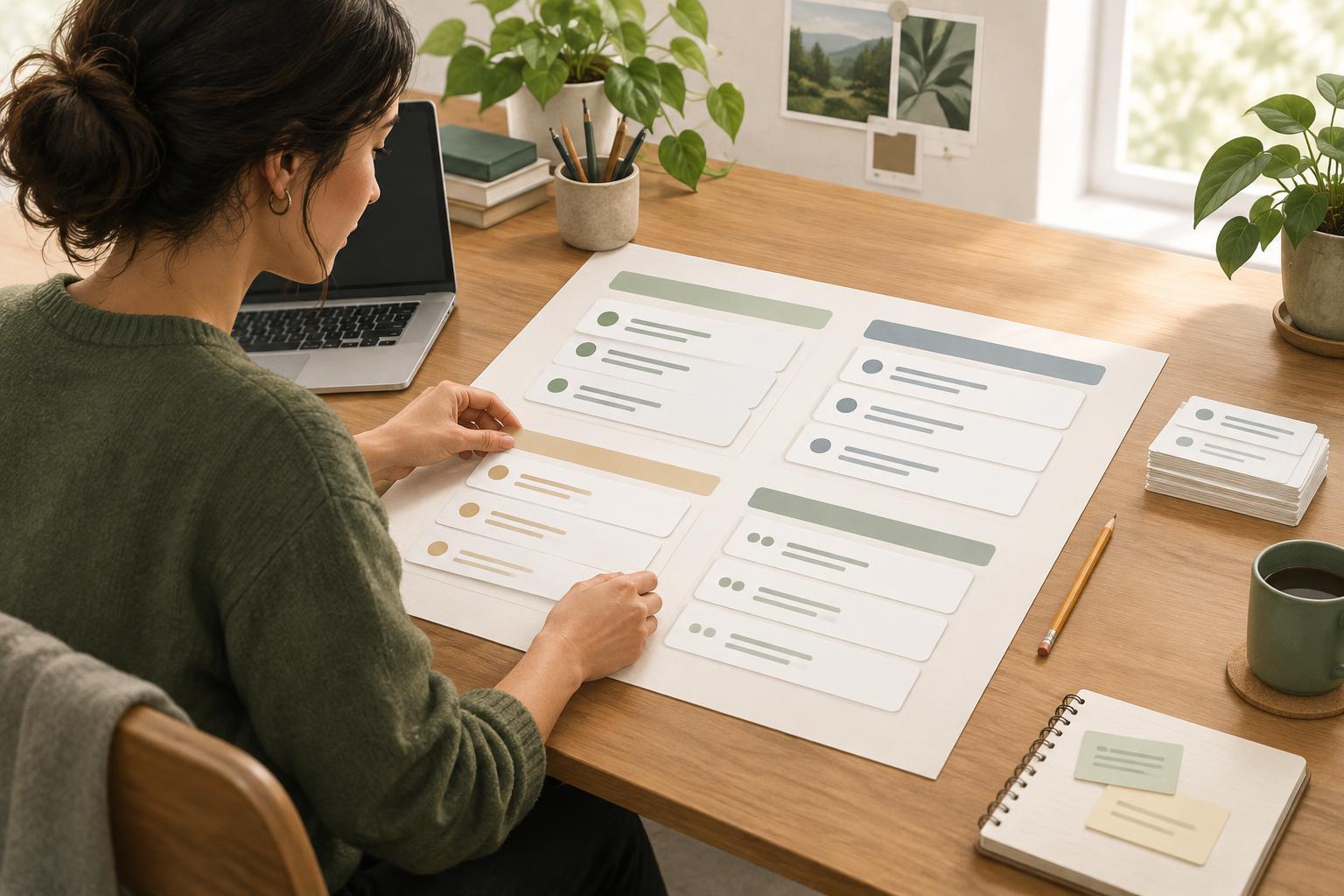
An editorial checklist works best when it tests whether a page helps someone complete a task, not just whether it sounds polished. Before editing sentences, write down the primary question the page should answer and the likely reader’s level of familiarity. Then read the draft as that reader would. Can they find the answer near the beginning? Does the page explain what to do, what to consider, and when its advice may not apply?
Check that the title, introduction, headings, and body describe the same subject. A page that promises a step-by-step guide but offers only general background needs either more practical detail or a more accurate title. Search terms can help identify the language readers use, but repeating a phrase is no substitute for answering the underlying question. Remove sections that drift away from the topic, and add missing context where a reader would otherwise have to guess.
Verify claims before polishing them
Review factual statements one by one, especially numbers, comparisons, product details, definitions, and instructions that could lead someone to make a consequential decision. Ask: How do we know this is correct? Is it true in all cases, or only under certain conditions? If a claim depends on a source, check that the source actually supports the wording in the draft. If the team cannot verify a claim, revise it to reflect what is known or remove it.
Accuracy also means avoiding an impression of certainty that the evidence does not support. Words such as “always,” “best,” and “guaranteed” deserve a second look. For an SEO article, for example, it is reasonable to explain how a clear page structure can help visitors navigate content; it is not reasonable to promise a particular ranking from a heading change. Keep examples distinct from universal rules, and flag statements that may change as tools, policies, or site features change.
Edit for clarity and usable structure
Once the substance is sound, review how easily a reader can follow it. Give each section a clear purpose and arrange sections in a useful order, such as decision, action, then follow-up. Replace vague references like “this” with a specific noun when the meaning could be unclear. Define necessary terms when they first appear, and cut jargon that does not help the reader act.
Look for places where a short example would make an instruction concrete. “Check your content” is broad; “compare the page title with the question answered in the first section” gives an editor something to do. Break up dense explanations, but do not shorten them so much that important conditions disappear. Read the draft aloud or review it slowly to catch awkward transitions, repeated points, and sentences that require a second pass.
Check page elements as part of the content
The review should include what readers see around the main text. Confirm that the page title and meta description accurately describe the page rather than overpromising. Check that headings make sense in order, links lead to relevant destinations, and link text tells readers what to expect. A useful internal link can supply background without forcing every page to explain everything.
If the page includes an image, ask what purpose it serves. A screenshot should be legible and match the instructions beside it; a diagram should clarify a relationship that is hard to express in words. Add descriptive alternative text when it helps someone understand meaningful visual content, and avoid repeating nearby text without adding value. Captions, labels, and image details should receive the same accuracy review as the article itself.
Make the checklist repeatable
A checklist should be short enough that editors will use it. Group questions under intent, accuracy, clarity, and page elements, then record an outcome for each: pass, revise, or not applicable. Assign an owner for unresolved claims rather than leaving a vague note for the next person. For a higher-stakes topic or a draft outside the writer’s expertise, arrange an appropriate subject-matter review before publication.
After publishing, keep a record of claims or instructions likely to need another look. When reviewing the page later, check whether examples, links, screenshots, and recommendations still match the page’s purpose. Reader questions and site search information, where available, can reveal gaps worth investigating; they do not by themselves prove what needs to change. The goal is a reliable process that makes each page clearer and more useful, not a box-ticking exercise.