Start with the decision the reader needs to make
A content brief should help a writer make good choices, not simply provide a list of keywords and headings. Begin with the reader’s situation: what brought them to this page, what they may already know, and what they should be able to do after reading. For example, a brief for a guide to choosing a website navigation structure might say that the reader has several service pages and needs a way to group them clearly. That gives the writer a more useful target than “write about site navigation.”
State the page’s purpose in one or two sentences. Is it meant to explain a concept, walk someone through a task, or help them compare options? If the page also has a business goal, name it separately. A reader goal such as “understand how to organize related pages” should not be replaced by a business goal such as “encourage a consultation.” Keeping the two distinct makes it easier to create a page that is genuinely helpful.
Give search context without dictating every sentence
Include a primary topic phrase and a small set of related terms only when they clarify the language readers use. Explain any ambiguity: “content brief” might mean an editorial assignment, a design document, or a campaign plan. The writer needs to know which meaning the page will address. Avoid assigning a required number of keyword uses. Natural wording, accurate explanations, and coverage of relevant questions are more useful editorial goals than repetition.
If you have reviewed search results, summarize what you learned as a working observation rather than an instruction to copy competing pages. Note common questions, formats that seem useful, and gaps your page can address. Search intent is not always uniform; some readers want a quick checklist while others need an example. A brief can accommodate both by asking for a concise overview followed by practical detail. Leave room for the writer to improve the proposed approach.
Specify the essentials, then allow a workable structure
A writer-friendly brief identifies must-cover points, optional angles, and boundaries. For an article about content briefs, must-cover points might include audience, page purpose, scope, evidence needs, and review expectations. An optional angle might be how a brief changes when an existing page is being updated. Boundaries can prevent wasted work: say if the article should avoid tool comparisons, advanced workflows, or claims the organization cannot substantiate.
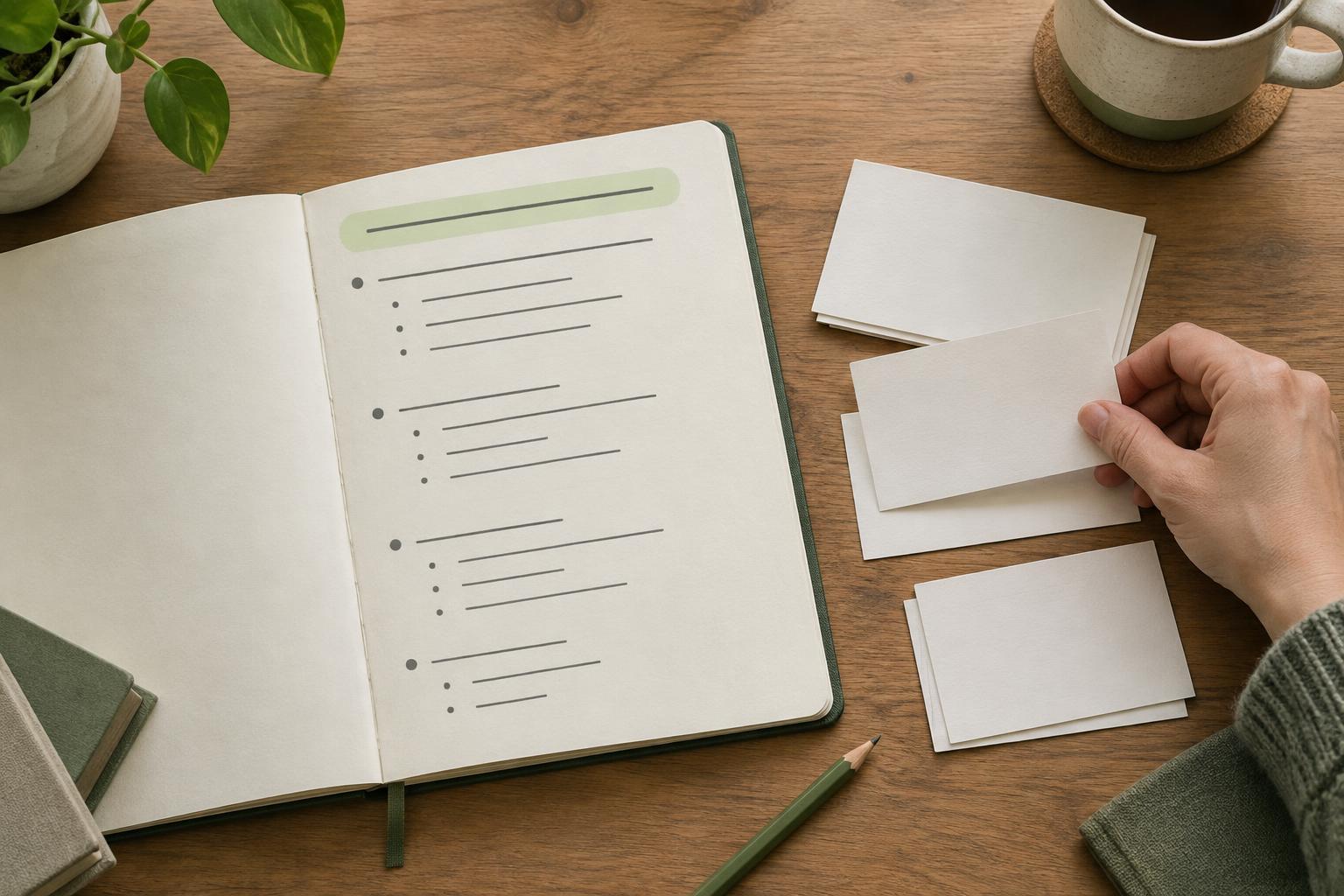
Suggest a structure if it helps, but label it as a starting point. A useful outline describes the job of each section rather than prescribing every subheading. For instance, “show how to turn a vague topic into a focused assignment” gives the writer a clear task while leaving them free to choose the best example. Also note the desired depth and format. “A practical guide with one short example and a reusable checklist” is more actionable than a word count alone.
Make evidence and page requirements easy to find
Put source material in one clearly labeled part of the brief. Include approved internal documents, relevant product details, and any claims that require verification. Distinguish confirmed facts from ideas that need checking. If no reliable support is available for a precise claim, ask the writer to use a qualified explanation or leave the claim out. This protects the quality of the article without making the writer guess which details are safe to publish.
List page-specific requirements that affect the draft, such as the intended audience’s reading level, a relevant internal page to link to if it exists, and whether an image or diagram would help explain the topic. If an image is needed, describe the information it should convey and request useful alternative text rather than a decorative image chosen only to fill space. Keep these requirements separate from the core editorial guidance so the writer can scan both.
Build in a review loop instead of a rigid handoff
Before assigning the brief, test it from the writer’s perspective. Can they identify the reader, the page’s main question, the required facts, and what is out of scope? Could two reasonable writers produce useful drafts from it without asking the same basic clarifying questions? If not, add the missing context. A brief that is long but difficult to scan may need clearer labels, not more instructions.
After the first draft, evaluate it against the reader goal rather than checking only whether every suggested heading appears. Ask whether the answer is clear, examples are plausible, claims are supported, and the page offers something useful beyond a generic summary. Record recurring questions from writers and reviewers so future briefs improve. The best content brief is a shared plan: specific enough to reduce guesswork, flexible enough to benefit from the writer’s judgment, and easy to revise when a better approach emerges.